
Public Sources for Marietta Neighbors and Their Block
The best public sources describe parcels, recorded owners, limited voter evidence, association contacts, and individual civic matters. None is a complete household roster. Begin with geography, then open the official record behind each map feature instead of copying a label as though it proved occupancy.
| Block source | What it can show nearby | Access and limit |
|---|---|---|
| Cobb parcel GIS | Lot geometry, street numbers, adjoining parcel IDs | Free map; geometry is not resident identity |
| Cobb assessor cards | Owner and tax-mailing address per parcel | Free search; owner may be an entity or live elsewhere |
| Georgia voter records | Individual registration or purchased file fields | MVP is self-lookup; files are regulated and omit protected voters |
| Marietta Safe Neighborhoods | Association names with a Fire Department contact relationship | No member directory or block roster |
| Association registration form | Leadership, meetings, contact, and boundary fields requested by city | Administrative submissions require careful handling |
| Permit, agenda, and code files | A dated project or civic matter tied to an address | Case-specific, never a complete neighborhood list |
Ownership is the easiest block-level fact to verify and the easiest to overstate. A tax-mailing recipient, business, trust, estate, or government owner is not automatically an on-site resident. Even a homestead indicator supports only a dated primary-residence inference, not a household roster.
Map Marietta Neighbors From One Parcel Outward
The Cobb County GIS Property Search and Mapping system is a spatial index. Its quick search wants a house number and street only. Do not enter an apartment, unit, city, state, or ZIP code. After finding the target, zoom far enough to see lot lines and street numbers, then inspect only the parcels that actually touch it.
- Confirm whether the address lies inside Marietta rather than relying on its postal city.
- Enter house number and street in Cobb GIS and retain the target parcel ID.
- Click each immediately adjoining polygon and copy its parcel ID.
- Follow every parcel to the assessor card and record the owner and public mailing address with the retrieval date.
- Separate owners from likely occupants and mark entities, estates, trusts, and nonmatching mailing addresses.
- For a whole named road rather than the immediate radius, use the Marietta street directory workflow.
The city GIS source says its data updates nightly, while tax ownership is tied to a tax year and deeds to a recording date. A careful neighbor lookup timestamps each source. A later deed or digest may alter the conclusion without making the earlier note wrong for its date.
Insider tip. Preserve directional, street type, subdivision, and parcel ID because the county search and deed systems may index the same place differently.
Why Marietta Parcel Owners Are Not Always Occupants
The assessor distinguishes a situs address from the mailing address that receives the bill. When they match, that is still only one clue. A renter, relative, caregiver, or other household member will not appear merely because an owner name is public. A corporation or trust requires a separate public-record trail, and its agent or mailing recipient may have no residential tie to the block.
The official Cobb Superior Court Clerk site illustrates why roles matter in any follow-up record. Visit the Clerk’s public services to distinguish real-estate instruments from court files before drawing a connection.
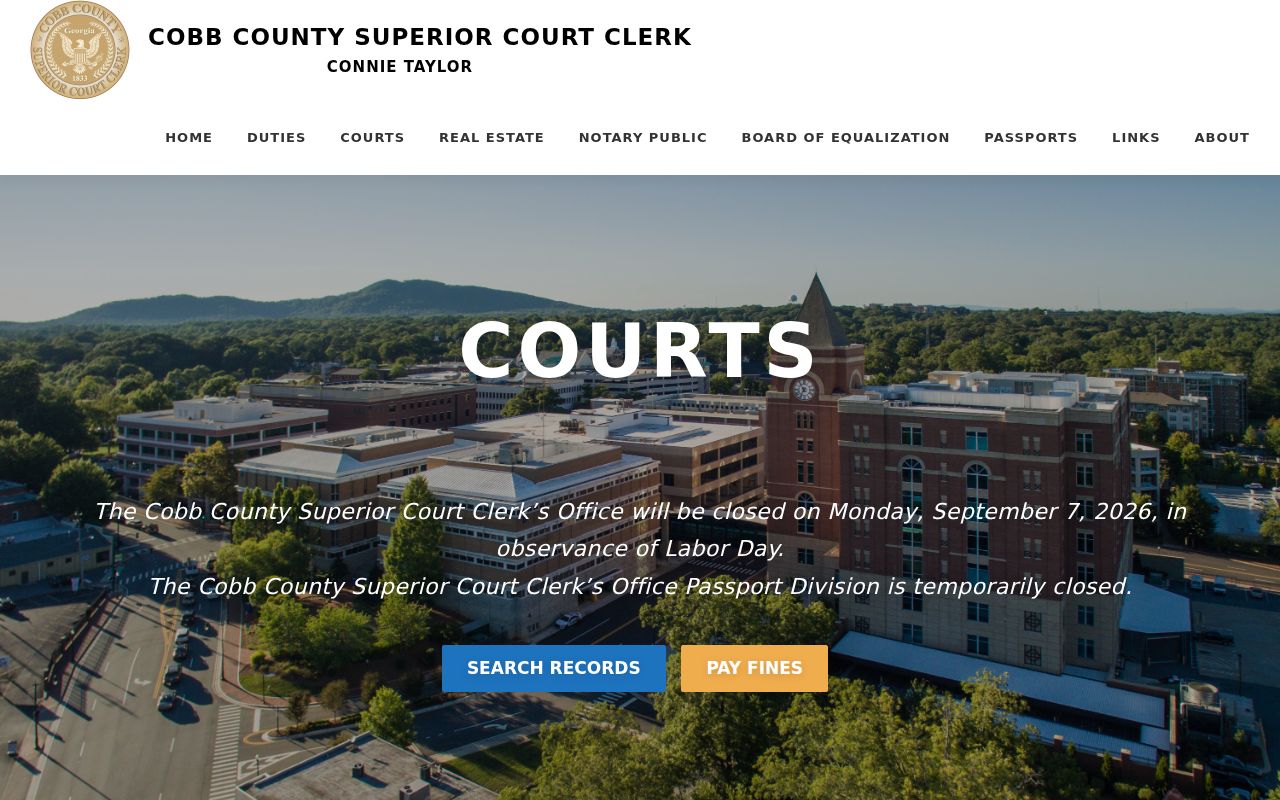
The page points to the correct custodian, but a deed party or court address still reflects a specific role and date, not proof of current residence.
Connect Marietta Neighbors to Thirteen City Contacts
Marietta’s Fire Department publishes an official Safe Neighborhoods list for associations with a main contact relationship. It names Charlton Forge, Dunleith, East Park Community, Emerson Overlook, Frasier Park, Hamilton Grove, McLaren Gates, North Marietta Neighborhood, Queensborough Square, South Square, Vintage Court, Westside Subdivision, and Woodmere. These names help establish local geography and community vocabulary.
The Marietta Safe Neighborhoods page is the source for that city-maintained contact layer.
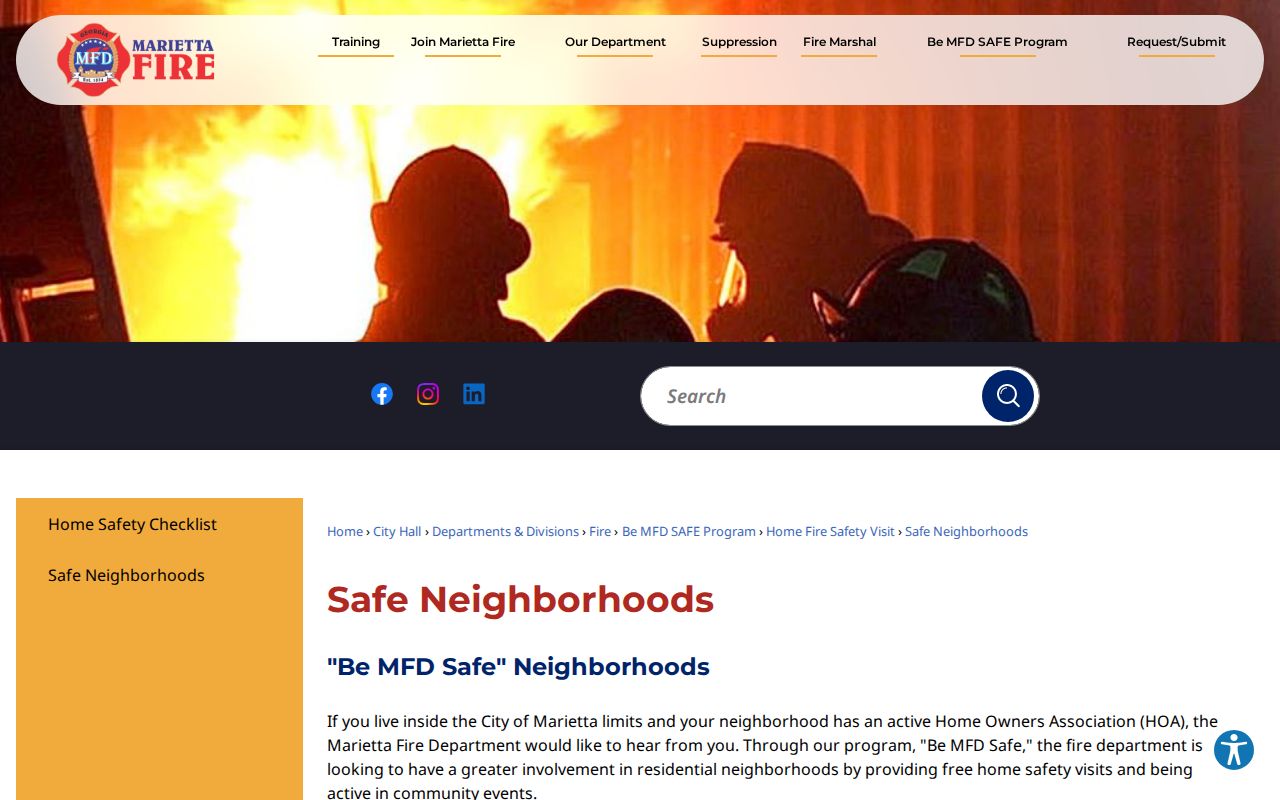
It is not an exhaustive map of every Marietta neighborhood, and it does not publish members. The useful fact is that the city has a relationship with an association contact, not that all nearby households belong.
| City-listed association | City-listed association |
|---|---|
| Charlton Forge | Dunleith |
| East Park Community | Emerson Overlook |
| Frasier Park | Hamilton Grove |
| McLaren Gates | North Marietta Neighborhood |
| Queensborough Square | South Square |
| Vintage Court | Westside Subdivision |
| Woodmere | City list is not a membership roll |
Read Marietta Association Forms as Administrative Records
The city’s registration form requests the organization name, president or contact identity and details, meeting frequency, time and location, and neighborhood boundaries. Those fields can clarify where a group says it operates and when public meetings occur. Personal fields are administrative submissions, not an invitation to publish a resident directory.
Review the Marietta neighborhood association registration form to see the city’s requested fields directly.
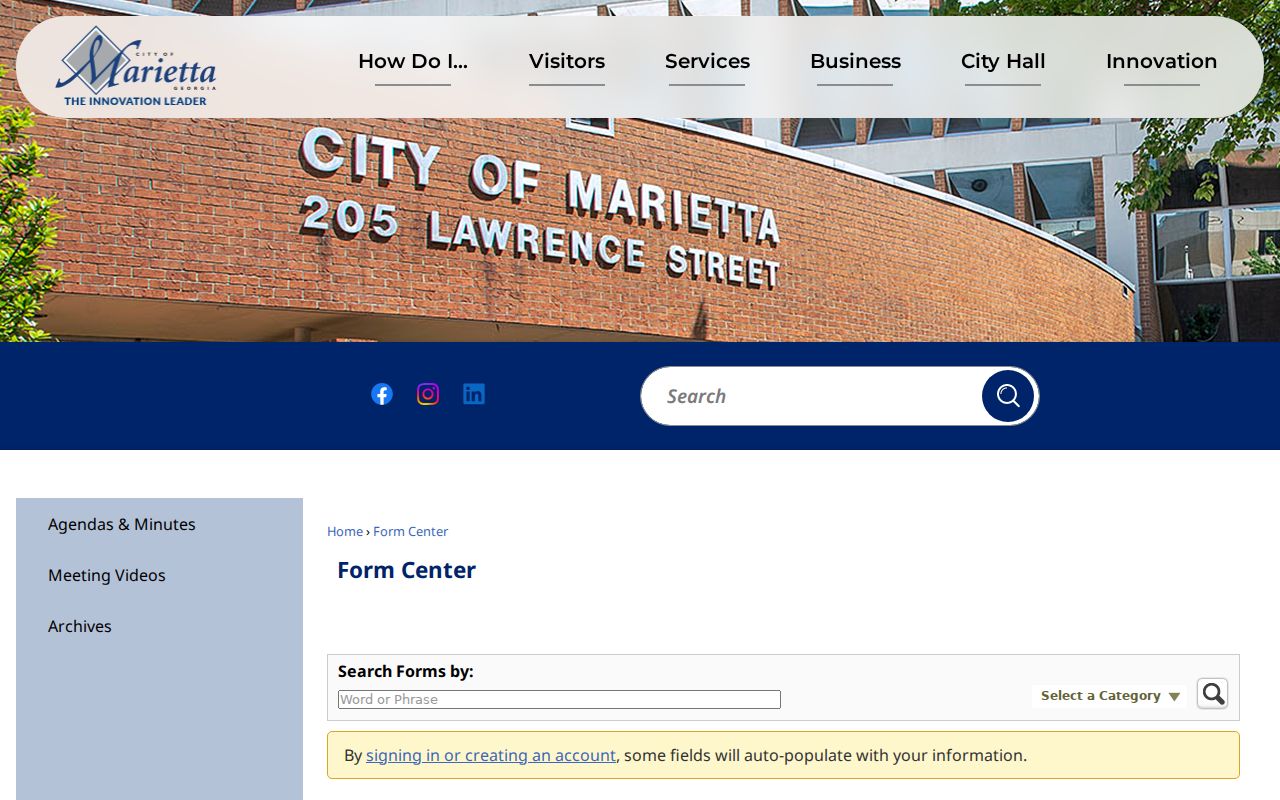
The form supports careful boundary and meeting research. It does not establish that a contact lives at every address served, nor that residents within the stated boundary are members.
Georgia Voter Data Does Not Create a Marietta Block Roster
Georgia’s My Voter Page is an individual verification tool, not an open-ended neighbor search. It uses a first initial, last name, county, and date of birth, then returns registration status, residence, precinct, polling place, districts, early-voting information, and a sample ballot. It never reveals ballot choices, and Georgia does not register voters by party.
Public voter files may be ordered from the Secretary of State. The researched July 2024 schedule listed $35 for up to five county precincts, $65 for a municipal file, $70 for a county, and other prices by district or statewide scope. Delivery is electronic in about two weeks, with no custom, refunded, or expedited order. Structured residence fields may support lawful block analysis, but phone, full date of birth, Social Security number, and driver-license number are excluded.
The Georgia court records access directory shows a separate statewide route when a block clue leads to a public case rather than voter data.
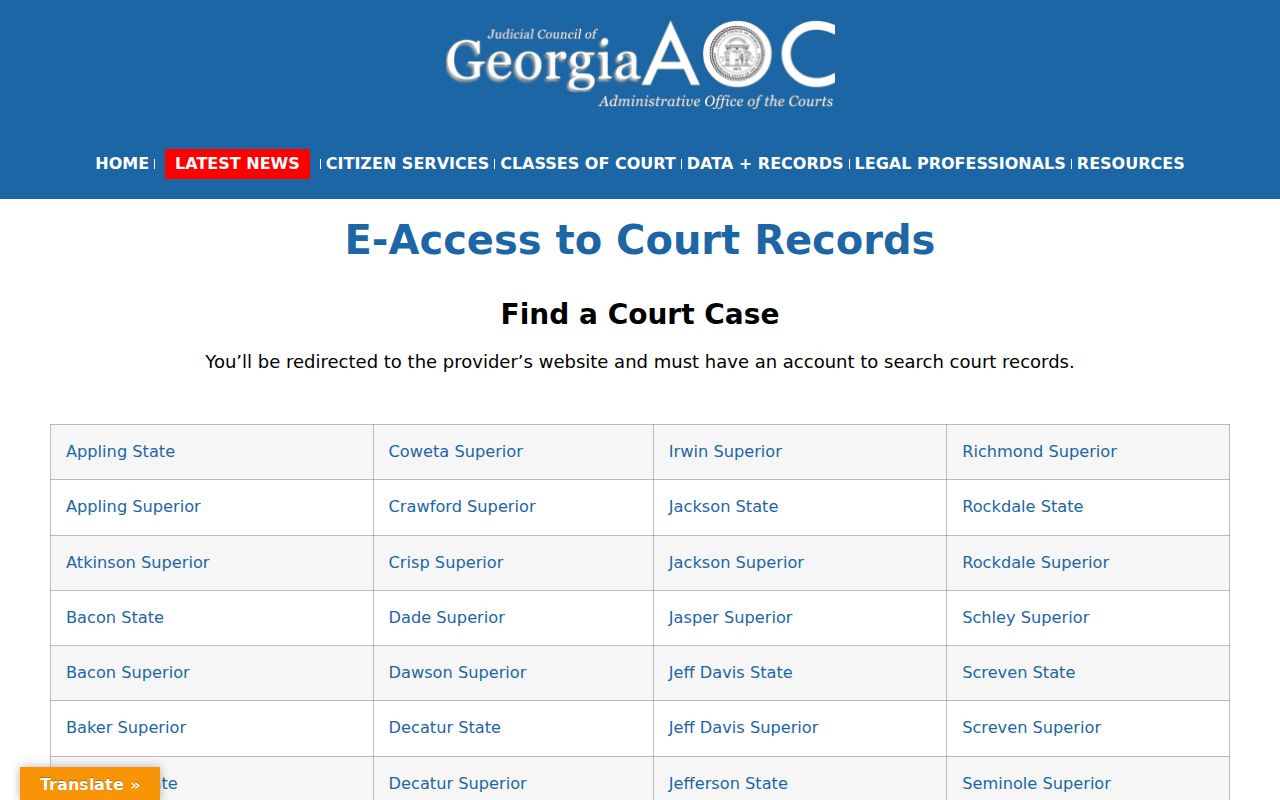
Courts have different custodians and coverage rules. A case address is a filing-time or later-updated clue, never a substitute for present residence verification.
Official Marietta Neighbors Records Versus Compiled Tools
Official sources are narrower but expose the record role, date, and custodian. Commercial neighbor tools combine government, marketing, and other data. They may merge same-name people, retain former occupants, label relatives as residents, or show an owner long after a move. Treat such output as an unsourced lead and verify each claim at the office that created the underlying record.
Official block sources
Parcel geometry, owner cards, deeds, association contacts, purchased voter fields, and specific civic files each have a known scope and update cycle.
Compiled neighbor tools
Broad results may be fast, but source dates and role labels are often unclear. They cannot fill private household gaps with dependable facts.
A no-result is not proof of absence. Protected voters, sealed files, changing city retention, directory gaps, and stale tax years all shape what can be found.
Add Marietta Civic Evidence by Address
City permit, code, and historic-board material can place an owner, applicant, contractor, designer, or project at one address on one date. Historic preservation records are especially useful in Atlanta-Frasier, Church-Cherokee, Northwest Marietta, Washington Avenue, and Whitlock Avenue National Register districts, as well as locally designated areas.
Choose the custodian after checking jurisdiction. Postal Marietta reaches outside the incorporated city, and even Marietta Power and Water service does not prove city limits. A narrow Georgia Open Records Act request should name an existing file and date range; an agency need not create a new neighbor list.
Privacy Limits Around Marietta Neighbors
Utilities, deliveries, DMV addresses, unlisted occupants, minors, and private association membership do not become public because parcel boundaries are visible. VoteSafe protects qualifying registered voters’ residences, and Georgia Safe at Home provides address confidentiality. Public voter files also exclude some core identifiers and cannot lawfully be used for commercial purposes under O.C.G.A. §21-2-601.
Correct source labels preserve both accuracy and privacy: owner, tax-mailing recipient, registered voter, association contact, permit applicant, contractor, grantor, and grantee are distinct roles. Never turn a parcel-level table into claims about unknown household members.
Lawful use. Use neighbor records for civic curiosity, reconnecting, and personal awareness; Georgia law forbids stalking, threats, and harassing communications.